
How Much Does a POS System Cost in 2026?
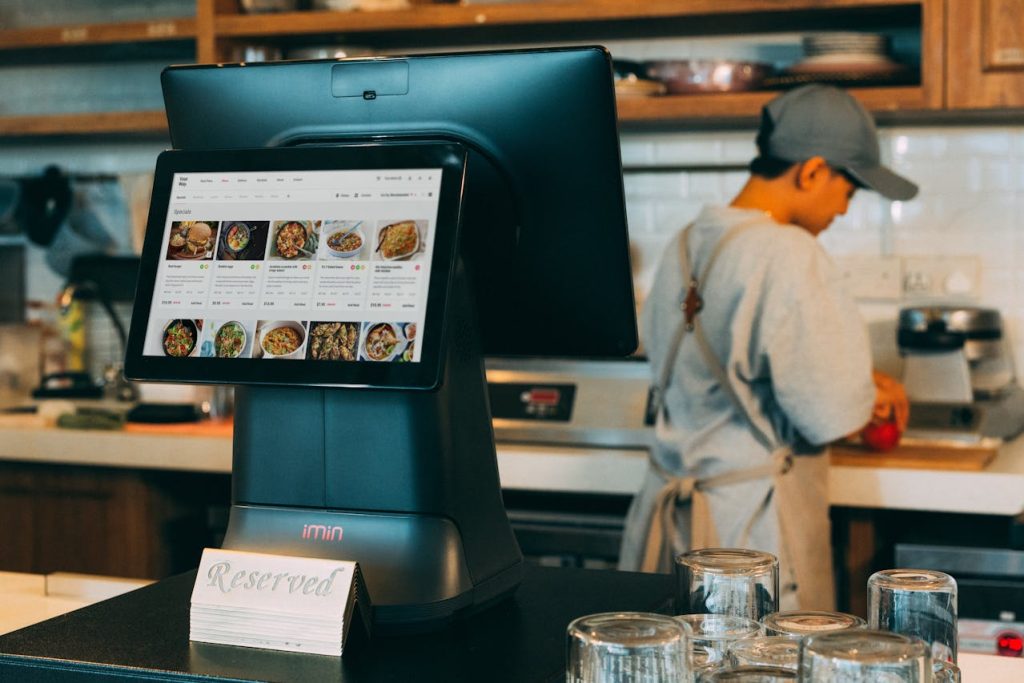
The cost of a POS system in Canada depends on far more than the price of a single terminal. Hardware, peripherals, software, installation, and ongoing service all factor into your total spend — and depending on the size and type of your business, you could be looking at a few thousand dollars or well into five figures. This guide breaks down realistic cost ranges by business type, explains what drives those numbers, and gives you a clear framework for budgeting your POS investment.
This article is for Canadian business owners who are pricing out a POS system for the first time, upgrading aging hardware, or expanding to new locations.
Here is what we cover:
POSRG can help with your POS setup
The right hardware, expert installation, and reliable support — all from one team.
What Does a POS System Cost in Canada?
The table below gives you a realistic starting point for hardware costs across the most common business types in Canada. These figures cover the terminal, peripherals, and installation for a standard lane configuration — software licensing fees are not included and are discussed separately below.
| Business Type | Setup Size | Estimated Hardware Cost | Notes |
|---|---|---|---|
| Restaurant (sit-down) | 1 lane | $3,000 – $5,000 | Minimum 2 lanes for most dine-in operations |
| Restaurant (sit-down) | 2 lanes | $6,000 – $10,000 | Does not include KDS |
| Restaurant — Kitchen Display System | Per unit | $3,000 – $5,000 | Add per KDS screen required |
| Quick-Service Restaurant | 1 lane | $3,000 – $5,000 | Self-serve kiosks are additional |
| Retail | 1 lane | $3,000 – $5,000 | Handheld inventory devices and back office are additional |
| Grocery (standard cashier lane) | 1 lane | $4,000 – $6,500 | Includes scanner scale; Weights and Measures certification is additional |
| Grocery (self-checkout unit) | Per unit | $5,000 – $10,000+ | Includes bag station and installation |
| Convenience Store | 1 lane | $3,000 – $5,000 | Mounting solutions included; pump integration is separate |
These ranges reflect standard new hardware from reputable manufacturers. Certified refurbished hardware from the same manufacturers typically costs 30% to 60% less. The sections below break down what drives these numbers and what you can expect to spend on each component.
What Affects POS System Cost?
Several variables determine what you will pay for a POS system, and most of them interact with each other. The number of checkout lanes is the most direct cost driver — each lane requires its own set of hardware — but your business type, software choice, installation requirements, and service needs all shape the final number.
The main cost drivers:
- Number of lanes — every lane requires a full set of hardware; a two-lane setup costs roughly double a single-lane setup
- Hardware grade — enterprise-grade terminals carry higher price tags than mid-range options; certified refurbished units from the same manufacturers cost significantly less
- Business type — a grocery store with scanner scales and self-checkout costs more per lane than a clothing boutique with a basic terminal and scanner
- Software — some software is free or low-cost; some platforms carry significant upfront licensing fees or monthly subscriptions
- Installation complexity — a counter-mounted terminal is straightforward; a self-checkout system with low-voltage electrical work is a project
- Service agreements — ongoing repair coverage, helpdesk access, and on-site dispatch add recurring costs that protect your uptime
- Payment processing — the debit/credit terminal you choose ties you to a payment processor, and different processors charge different transaction fees
Hardware Components and Their Cost Ranges
A POS system is a collection of hardware components that work together to process transactions, manage inventory, and support your daily operations. Understanding what each component does and what it costs gives you a clearer picture of where your total spend comes from.
All-in-One POS Terminal
The terminal is the central computer of your POS system. It runs your POS software, displays your interface, and connects to all your peripherals. Most modern terminals are all-in-one units that combine the computer, touchscreen, and customer display into a single piece of hardware. Entry-level units from reputable manufacturers start around $800 to $1,200. Mid-range units — the kind most Canadian businesses rely on — run $1,200 to $2,500. Enterprise-grade units can exceed $3,000 per terminal.
Receipt Printer
Thermal receipt printers produce customer receipts at the end of a transaction. A standard thermal receipt printer ranges from $300 to $500. The printhead is a consumable that typically needs replacement every 3 years, at a fraction of the cost of a new printer.
Barcode Scanner
Barcode scanners read product codes at the point of sale. Countertop presentation scanners — the kind customers swipe items across — are the most common in retail and grocery. Handheld scanners are used in environments with variable item sizes or for mobile inventory work. A quality countertop scanner costs $300 to $600; handheld models are similar.
Cash Drawer
Cash drawers connect to the receipt printer and open automatically on cash transactions. A standard cash drawer costs $150 to $300.
Debit and Credit Terminal
The payment terminal processes card transactions. Each manufacturer is certified with specific payment processors, and your choice of terminal affects your transaction fees. Hardware costs range from $300 to $700 per unit, with the ongoing transaction fee structure being the more significant long-term cost consideration.
Kitchen Display System (KDS)
A KDS is a screen-based order management system used in restaurant kitchens to replace or supplement printed kitchen tickets. Orders appear on the screen in real time as they are entered at the front-end terminal. A single KDS unit typically costs $800 to $1,500 installed.
Kitchen and Label Printers
Restaurants use impact printers in the kitchen because, unlike thermal printers, they are not damaged by heat from lamps and warming equipment. Label printers are used for takeout order labelling at quick-service operations. Each of these peripheral printers costs $300 to $500.
Scanner Scale
Grocery stores and markets that sell items by weight need an integrated scanner scale at the checkout lane. These units combine a barcode scanner and a certified weight scale. Scanner scales cost $600 to $1,200 per unit, and must be certified by Weights and Measures Canada — a legal requirement for any store selling weighted goods.
Self-Checkout Kiosk
Self-checkout units allow customers to scan and pay for their own purchases. A complete self-checkout station includes a touchscreen terminal, scanner scale, payment terminal, receipt printer, and bag station. Per-unit costs for a fully installed self-checkout station range from $5,000 to $10,000 or more depending on the configuration.
Back-Office Workstation and Server
Most retail and grocery operations run a back-office computer for inventory management, employee time tracking, and reporting. A back-office PC or all-in-one runs $500 to $1,500. Larger operations with on-premise servers will pay more, with business-grade server hardware running $1,500 and up.
UPS (Uninterrupted Power Supply)
A UPS provides surge protection and backup power during outages, protecting your hardware and keeping your POS running through brief power interruptions. A quality UPS for a POS station costs $150 to $400.
Software Costs
Software is a separate budget line from hardware and can range from free to thousands of dollars depending on the platform. Most restaurant and retail operators have their software selected before they start shopping for hardware — and the software choice can influence which hardware is compatible. Not all hardware works with all software platforms.
Common POS software models in Canada:
- Subscription (SaaS) — monthly or annual fees per terminal; costs can start low and increase significantly as your business grows or as the provider adjusts pricing
- Perpetual license — one-time purchase with optional annual maintenance fees
- Bundled with hardware — some manufacturers include basic software with hardware purchases
- Industry-specific platforms — cannabis, grocery, and convenience store operations each have dedicated software platforms with their own licensing structures
When evaluating software costs, factor in the full contract term, not just the monthly figure. A SaaS system that costs $150 per month per terminal adds up to $1,800 per terminal per year — more than the annual cost of many hardware warranties.
Installation and Service Costs
Installation and ongoing service are real costs that many first-time buyers underestimate. A basic counter-mounted terminal setup is straightforward to install, but self-checkout systems, kiosk deployments, and multi-lane rollouts involve electrical work, network setup, hardware staging, and on-site commissioning — all of which carry labour costs.
Service costs to plan for:
- On-site installation — labour for physical setup, mounting, cabling, and commissioning; quoted per project based on scope
- Staging and configuration — pre-deployment setup at a service facility before hardware ships to your location
- Helpdesk and after-hours support — critical for businesses that operate outside standard business hours, such as convenience stores, restaurants, and grocery stores
- Repair and maintenance — authorized repair centres typically turn around repairs in 1 to 2 business days; budget for the occasional repair over a 3-to-5-year hardware lifecycle
- Weights and Measures Canada certification — mandatory for grocery stores selling weighted goods; renewed every 3 to 4 years
New vs. Refurbished Hardware
Certified refurbished POS hardware is a legitimate and widely used option in Canada, particularly for businesses that need enterprise-grade reliability at a lower price point. Refurbished units go through inspection and testing before resale and carry their own warranty terms.
Refurbished hardware makes the most sense when you are equipping secondary lanes, rolling out hardware across many locations with a fixed budget, or replacing a single failed unit and want to match existing hardware without buying new. The savings compared to new hardware can be 30% to 60% depending on the model and its age.
The trade-off is a shorter remaining lifespan and a more limited parts supply as a model ages out of production. An experienced POS hardware supplier will tell you which refurbished models still have strong parts availability and which to avoid.
Financing and Lease-to-Own
Businesses that need a complete POS setup but do not have the capital for an upfront purchase can spread costs through a lease-to-own model. This converts a lump-sum hardware expense into a predictable monthly payment, and the equipment transfers to you at the end of the lease term. It is a practical option for new locations, expanding businesses, and operators who want to preserve working capital for other priorities.
Lease-to-own is different from a SaaS subscription in one important way: you end up owning the hardware. With a subscription model, you pay continuously without building equity in the equipment.
POSRG Can Help Upgrade or Repair Your POS System
Understanding POS costs is one thing — getting a real quote for your specific operation is another. POSRG supplies and services POS hardware for businesses across Canada, from single-location convenience stores to multi-site grocery chains. We carry new and certified refurbished hardware from all the major manufacturers, offer lease-to-own financing, and provide free consultations so you know what you are getting into before you spend a dollar. Call us today at (905) 332-8809 or email inquiries@posrg.ca to get started.